
How to Handle Freeze–Thaw Stable Products in Cold Weather
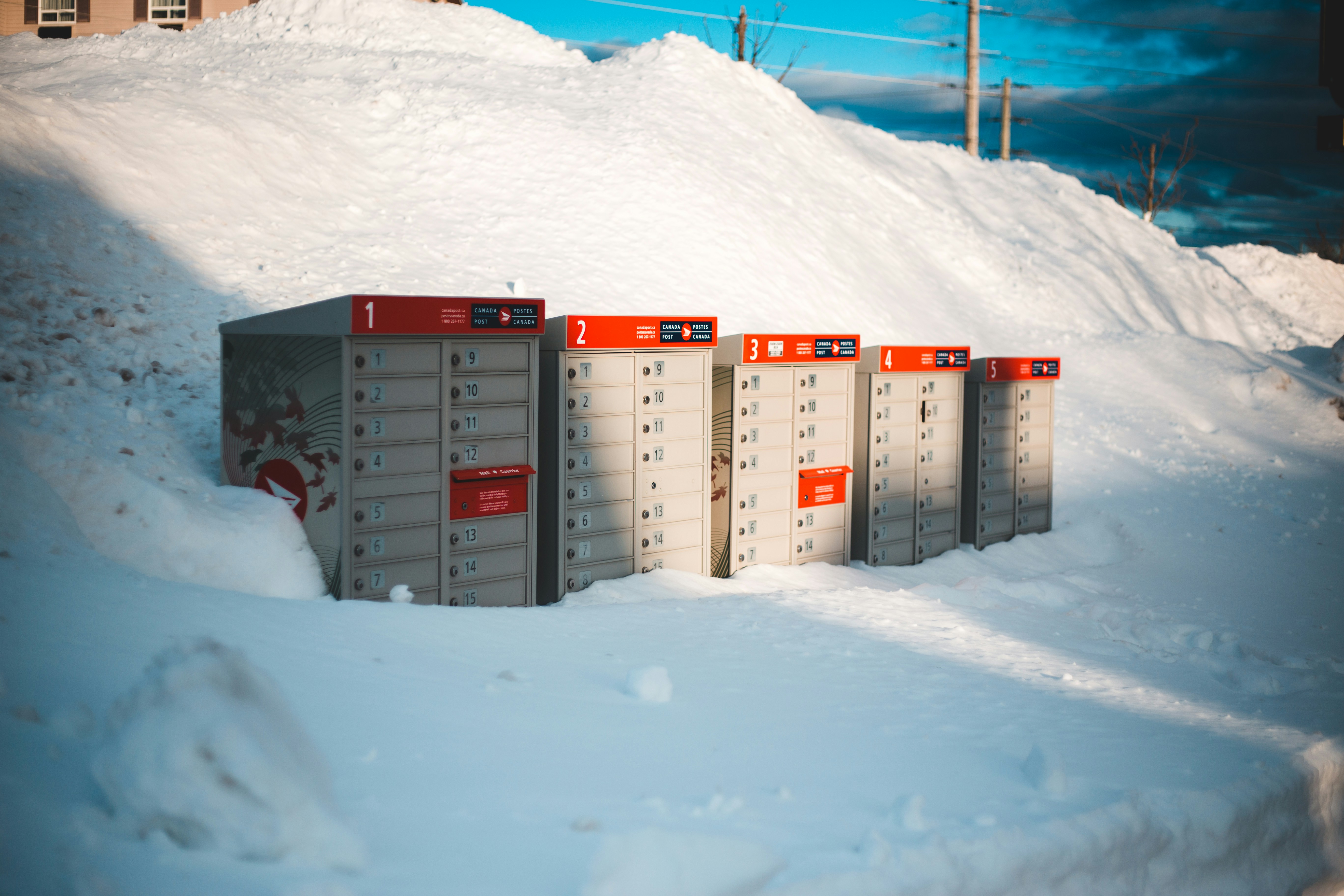
How to Handle Freeze–Thaw Stable Products in Cold Weather
Written by: GCCCold weather shipping can raise concerns for customers receiving coatings, cleaners, or other liquid chemical products. One of the most common questions we hear during winter months is: “My product arrived frozen—can I still use it?”
The good news is that many of our coatings and chemical formulations are freeze–thaw stable, meaning they are designed to tolerate freezing temperatures without permanent damage—when handled correctly. Some products such as BoothCoat 5201 have a freeze-thaw additive added during winter months. Other products like PeelKleer 5358 are based on freeze-thaw stable ingredients. Understanding proper cold weather handling can help ensure product performance and avoid unnecessary waste.
What Does “Freeze–Thaw Stable” Mean?
A freeze–thaw stable product is formulated to withstand freezing and thawing cycles without breaking down chemically or losing performance. While freezing may temporarily affect appearance or viscosity, the product can usually be restored by proper thawing and mixing.
This is especially common with water-based coatings and cleaners shipped during winter months.
Why Products Freeze During Shipping
Even with insulated packaging, products can be exposed to sub-freezing temperatures while:
-
- Sitting in delivery trucks
- Passing through distribution hubs
- Being left outdoors during delivery
Freezing during transit does not automatically mean the product is damaged, provided it is designed for freeze–thaw stability.
General Chemical Corp. partners with multiple transportation companies, some of which offer "protect from freeze" shipping options. While these are pricier than standard shipping, it helps ensure products get to you in the right condition!
What to Do If a Product Is Received Frozen
If you receive a freeze–thaw stable product in a frozen or partially frozen condition, follow these steps:
1. Allow the Product to Thaw Naturally
Place the container in a temperature-controlled area and allow it to thaw at room temperature (65–75°F / 18–24°C).
Do not use heat guns, hot water baths, or other forced heating methods.
2. Mix Thoroughly After Thawing
Once fully thawed, mix the product thoroughly to restore uniform consistency. Mechanical mixing is recommended for coatings and higher-viscosity materials.
3. Inspect Before Use
Check the product for:
-
- Uniform appearance
- No permanent separation
- No graininess, gel formation, or solids that cannot be mixed back in
If the product does not return to a smooth, homogeneous state, do not use it.
4. Perform a Test Application
Before full-scale application, apply a small test area to confirm expected performance.
5. Contact Technical Support if Needed
If you have concerns or aren't sure if you're product is freeze-thaw stable, contact us before use.
Common Myths About Frozen Coatings
Myth: A frozen coating is automatically ruined
Fact: Freeze–thaw stable products often perform normally after proper thawing and mixing.
Myth: Heating speeds up recovery
Fact: Forced heating can damage the formulation and should be avoided.
Best Practices for Winter Storage
To reduce the risk of freezing after delivery:
-
- Store products indoors
- Maintain storage temperatures above 40°F (4°C)
- Keep containers tightly sealed
- Rotate inventory during cold months
Final Thoughts
Cold weather doesn’t have to mean compromised product performance. By understanding how to handle freeze–thaw stable products and following proper thawing procedures, customers can confidently use materials that may have frozen during shipping.
When in doubt, remember: thaw slowly, mix thoroughly, inspect carefully, and test before full use.
For additional guidance, always refer to the product’s Technical Data Sheet or contact technical support.